


Cappadocia Carpets: A Complete Guide to History, Craftsmanship, and Buying Tips
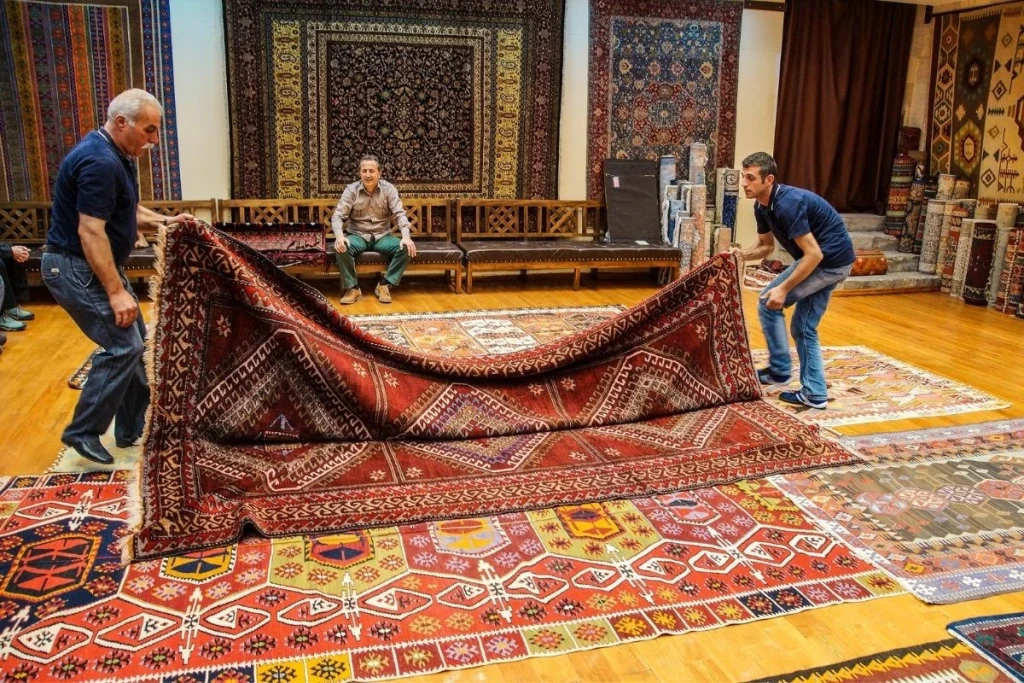
Cappadocia Carpets: A Complete Guide to History, Craftsmanship, and Buying Tips
Cappadocia is famous for its fairy chimneys, hot air balloons, and unique landscapes—but one of its most treasured cultural assets is its handmade carpets. Cappadocia carpets are not just decorative items; they are a reflection of centuries-old traditions, artistry, and Anatolian heritage. In this guide, you’ll discover everything you need to know about Cappadocia carpets, from their history and weaving techniques to tips for buying an authentic piece.
The History of Cappadocia Carpets
The tradition of carpet weaving in Cappadocia dates back thousands of years, rooted in the rich cultural tapestry of Anatolia. Historically, carpets were essential household items used for warmth, prayer, and decoration. Over time, they evolved into artistic expressions, with each region developing its own patterns and motifs.
Cappadocia became a key center for carpet production due to its position along ancient trade routes, allowing local weavers to incorporate diverse cultural influences into their designs.
What Makes Cappadocia Carpets Unique?
1. Handmade Craftsmanship
Every Cappadocia carpet is meticulously handcrafted, with artisans spending weeks or even months creating a single piece.
2. Natural Materials
Authentic carpets are made from wool, silk, and cotton, dyed using natural pigments derived from plants and minerals.
3. Symbolic Patterns
Each carpet features meaningful motifs:
- Geometric shapes representing protection and harmony
- Floral patterns symbolizing life and fertility
- Animal figures reflecting strength and courage
Types of Cappadocia Carpets
Kilim Carpets
Flat-woven, lightweight rugs known for bold geometric designs and affordability.
Knotted Carpets
Thicker, more durable carpets created with traditional knotting techniques, offering higher quality and longevity.
Silk Carpets
Luxurious and intricate, silk carpets are valued for their fine texture and artistic detail.
How Cappadocia Carpets Are Made
The production process involves several detailed steps:
- Preparing the yarn – cleaned, spun, and dyed naturally
- Design planning – patterns are memorized or drafted
- Weaving – thousands of knots are tied by hand
- Finishing – washing, trimming, and drying
Each step ensures the carpet is unique and high-quality.
Tips for Buying an Authentic Cappadocia Carpet
- Check for natural materials like wool or silk
- Look for high knot density as a quality indicator
- Examine the back of the carpet for clarity of design
- Ask about the origin and craftsmanship
- Avoid deals that seem too cheap to be genuine
Why Cappadocia Carpets Are a Great Investment
Cappadocia carpets combine beauty, durability, and cultural value. Handmade carpets can increase in value over time, especially those with intricate designs or made from silk.
Caring for Your Cappadocia Carpet
- Vacuum gently and regularly
- Keep away from direct sunlight
- Rotate periodically for even wear
- Use professional cleaning when needed
Proper care helps preserve the carpet’s color and structure for generations.
Conclusion
Cappadocia carpets are a perfect blend of tradition, craftsmanship, and timeless elegance. Whether you are decorating your home or searching for a meaningful souvenir, these carpets represent a true piece of Anatolian heritage.