


Göreme Open Air Museum: Complete Guide to Churches, Frescoes and Visiting Tips
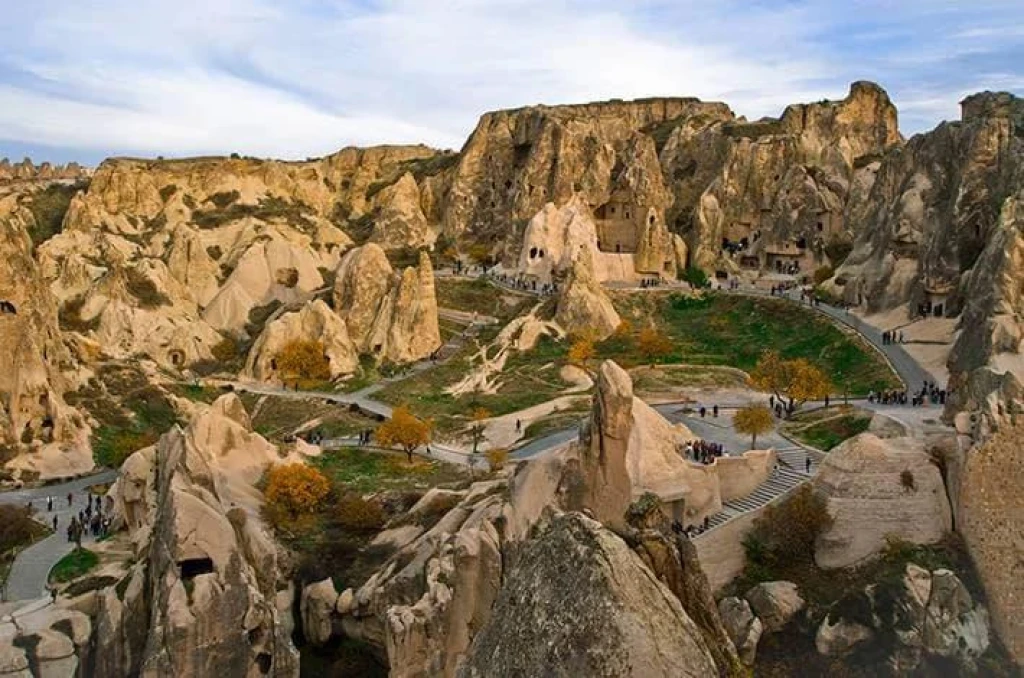
Göreme Open Air Museum: Complete Guide to Churches, Frescoes and Visiting Tips
Göreme Open Air Museum is one of the most important historical attractions in Cappadocia and an essential stop for travelers visiting the region for the first time.
Located just outside Göreme, this remarkable complex brings together rock-cut churches, chapels, monastic spaces and centuries-old frescoes within Cappadocia's extraordinary volcanic landscape.
The site provides a fascinating look at the religious communities that lived in Cappadocia centuries ago and the way they transformed the region's soft volcanic rock into places of worship and daily life.
If you are interested in history, Byzantine art, architecture or simply want to understand Cappadocia beyond its famous hot air balloons, Göreme Open Air Museum deserves a place on your itinerary.
Quick Answer: Is Göreme Open Air Museum Worth Visiting?
Yes. Göreme Open Air Museum is one of the most important places to visit in Cappadocia.
It is particularly worthwhile for travelers interested in:
- Cappadocia history
- Rock-cut churches
- Byzantine frescoes
- Religious heritage
- Architecture
- Photography
- First-time sightseeing
The museum can also be combined easily with other attractions around Göreme, making it a practical addition to a two, three or four-day Cappadocia itinerary.
What Is Göreme Open Air Museum?
Göreme Open Air Museum is a historic rock-cut monastic complex containing churches, chapels and spaces carved directly into Cappadocia's volcanic formations.
Monastic life was especially active in Göreme between the 4th and 13th centuries. Churches within the site feature decoration ranging from early geometric designs to later frescoes depicting biblical scenes and episodes from the life of Jesus Christ. (T.C. Kültür ve Turizm Bakanlığı)
Rather than thinking of it as a traditional indoor museum, imagine an entire historical landscape that you explore on foot.
This combination of history, architecture and geology is what makes the site so distinctive.
Why Is Göreme Open Air Museum Important?
The importance of Göreme extends far beyond tourism.
Göreme National Park and the Rock Sites of Cappadocia are recognized by UNESCO for their exceptional combination of natural landscape and rock-cut cultural heritage. UNESCO highlights the area's rock-hewn sanctuaries as important evidence of Byzantine art, alongside its cave dwellings and underground settlements. (UNESCO World Heritage Centre)
Visiting the museum therefore provides an opportunity to understand one of the key cultural elements behind Cappadocia's World Heritage significance.
Churches to See at Göreme Open Air Museum
The complex contains several important churches and monastic structures.
Among the sites officially listed within the museum are:
- St. Basil's Church
- Elmalı Church
- Saint Barbara Church
- Serpent Church
- Dark Church
- Çarıklı Church
- Tokalı Church
- Girls and Boys Monastery
Each offers a different perspective on the religious and artistic history of Cappadocia. (T.C. Kültür ve Turizm Bakanlığı)
Dark Church – One of the Highlights
Dark Church, known locally as Karanlık Kilise, is one of the most impressive parts of the complex.
The church dates to around the late 11th and early 12th centuries. Its name comes from the limited amount of natural light entering through a small opening.
That darkness helped preserve the colors of its frescoes, which remain particularly vivid. (T.C. Kültür ve Turizm Bakanlığı)
For visitors interested in Byzantine art, Dark Church should be high on the priority list.
Be aware that access conditions and ticketing for Dark Church can differ from the main museum admission; the official museum information currently lists it separately. (T.C. Kültür ve Turizm Bakanlığı)
The Frescoes of Göreme
One of the museum's greatest attractions is its wall paintings.
The churches were decorated using different techniques, including painting directly onto rock and fresco-secco techniques. Their imagery includes biblical narratives and scenes from the life of Jesus Christ. (T.C. Kültür ve Turizm Bakanlığı)
Even travelers without a strong interest in religious history can appreciate the remarkable contrast between these detailed paintings and the rough volcanic landscape surrounding them.
How Much Time Do You Need at Göreme Open Air Museum?
For most visitors, approximately 1.5 to 2.5 hours is a sensible amount of time.
If you are particularly interested in history, churches or frescoes, allow longer.
Try not to rush through the site simply to continue to the next attraction. The details inside the churches are an important part of understanding Cappadocia's cultural history.
Best Time to Visit Göreme Open Air Museum
Early morning is generally an excellent choice.
Advantages include:
- Cooler temperatures
- More comfortable walking
- More time for the rest of your itinerary
- Potentially fewer visitors than peak daytime periods
Late afternoon can also be pleasant, particularly during warmer months.
Seasonal conditions vary considerably in Cappadocia, so read our Best Time to Visit Cappadocia guide when planning your trip.
Current Opening Information
Opening hours can change seasonally or because of operational conditions, so visitors should always verify them shortly before traveling.
At the time this guide was updated, Türkiye's official museum website lists Göreme Archaeological Site as open daily from 08:00 to 18:45, with a separate night-museum experience also listed. (T.C. Kültür ve Turizm Bakanlığı)
Official Göreme Open Air Museum visitor information
I recommend checking the official page rather than putting a fixed ticket price into your travel plans, because prices and admission arrangements can change.
What to Wear When Visiting
Göreme Open Air Museum involves outdoor walking, steps and uneven surfaces.
Bring:
- Comfortable walking shoes
- Water
- Sunscreen
- Sunglasses
- A hat during warmer months
- Seasonal layers
During summer, midday temperatures can make walking less comfortable, another reason why an early visit works well.
Can You Visit Göreme Open Air Museum Without a Tour?
Yes.
The museum can be visited independently, and travelers staying in Göreme can arrange their own transportation.
However, visiting with a professional guide can add significant value because many of the details inside the churches are historical and symbolic rather than immediately obvious.
A guide can explain the frescoes, architecture, religious history and development of Cappadocia's monastic communities.
Göreme Open Air Museum and the Red Tour
Göreme Open Air Museum is commonly associated with itineraries exploring northern Cappadocia.
This makes it a natural attraction to combine with a Cappadocia Red Tour.
Depending on the specific itinerary, a Red Tour can combine several attractions in one day, such as Göreme-area historical sites, fairy chimneys, Pasabag, Devrent Valley and Avanos.
If you are choosing between Cappadocia's two most popular sightseeing routes, read our Red Tour vs Green Tour in Cappadocia guide first.
What Else Can You See Near Göreme Open Air Museum?
The museum's location makes it easy to combine with other Cappadocia experiences.
Nearby or easily combined attractions include:
- Göreme
- Uçhisar
- Love Valley
- Red Valley
- Rose Valley
- Pigeon Valley
- Panoramic viewpoints
This is why Göreme is such a practical base for first-time visitors.
Our Where to Stay in Cappadocia guide compares Göreme with Uçhisar, Ürgüp, Avanos and other accommodation areas.
Göreme Open Air Museum and Red Valley
Travelers who enjoy combining history and nature can visit the museum and later explore Red Valley.
The contrast works particularly well:
Morning: Göreme Open Air Museum and Byzantine heritage
Afternoon: Valley exploration
Evening: Red Valley sunset
Read our Red Valley Cappadocia Guide if you want to include hiking or sunset in the same day.
Göreme Open Air Museum and Rose Valley
Rose Valley is another excellent addition.
While the museum contains some of Cappadocia's best-known rock-cut religious structures, Rose Valley provides a more natural hiking experience with additional cave and church heritage scattered throughout the landscape.
See our Rose Valley Cappadocia Guide for hiking and visiting tips.
How to Include the Museum in a 3-Day Cappadocia Trip
For first-time visitors, a simple itinerary could look like this:
Day 1: Arrival → Göreme → sunset
Day 2: Sunrise hot air balloon → Göreme Open Air Museum / Red Tour → evening in Göreme
Day 3: Green Tour → underground city → valleys
This provides a strong balance between Cappadocia's natural and cultural attractions.
For detailed alternatives, read our Cappadocia Itinerary: The Perfect 2, 3 and 4 Day Travel Plan.
Is Göreme Open Air Museum Good for Families?
Yes, but families should consider the amount of walking and the uneven terrain.
Older children may particularly enjoy exploring the cave architecture and unusual rock formations.
For younger children, allow extra time and avoid trying to move through the museum too quickly.
Photography at Göreme Open Air Museum
The exterior landscape provides excellent photography opportunities.
Inside individual churches, photography rules may be restricted to protect fragile artworks. Always follow the signs and instructions at each site.
Preservation is particularly important because the frescoes and rock-cut structures are irreplaceable cultural heritage.
Frequently Asked Questions
Is Göreme Open Air Museum worth visiting?
Yes. It is one of Cappadocia's most important historical attractions and provides an excellent introduction to the region's rock-cut churches and Byzantine heritage.
How long should I spend at Göreme Open Air Museum?
Most visitors should allow approximately 1.5 to 2.5 hours. History and art enthusiasts may want longer.
Is Dark Church inside Göreme Open Air Museum?
Yes. Dark Church is located within the complex, but it has separate admission arrangements according to current official museum information. (T.C. Kültür ve Turizm Bakanlığı)
Can I visit Göreme Open Air Museum without a guide?
Yes. Independent visits are possible, although a professional guide can provide valuable historical and cultural context.
Is Göreme Open Air Museum part of UNESCO World Heritage?
Göreme National Park and the Rock Sites of Cappadocia are inscribed on UNESCO's World Heritage List, recognizing both the exceptional landscape and its rock-cut cultural heritage. (UNESCO World Heritage Centre)
What should I see after Göreme Open Air Museum?
Red Valley, Rose Valley, Uçhisar, Pigeon Valley and other Göreme-area attractions can all work well depending on your itinerary.
Final Thoughts
Göreme Open Air Museum is much more than another sightseeing stop.
It helps explain the history behind the landscape that travelers see throughout Cappadocia.
The rock-cut churches, centuries-old frescoes and monastic structures reveal how generations of people transformed Cappadocia's volcanic landscape into places of worship, community and daily life.
For first-time visitors, it belongs alongside a hot air balloon flight, Red Tour, Green Tour and Cappadocia's famous valleys as one of the region's essential experiences.
Plan Your Cappadocia Experience
Combine Göreme Open Air Museum with a Cappadocia Red Tour, sunrise hot air balloon flight and the valleys surrounding Göreme to create a balanced itinerary covering history, landscapes and unforgettable experiences.