


How Were the Underground Cities of Cappadocia Discovered?
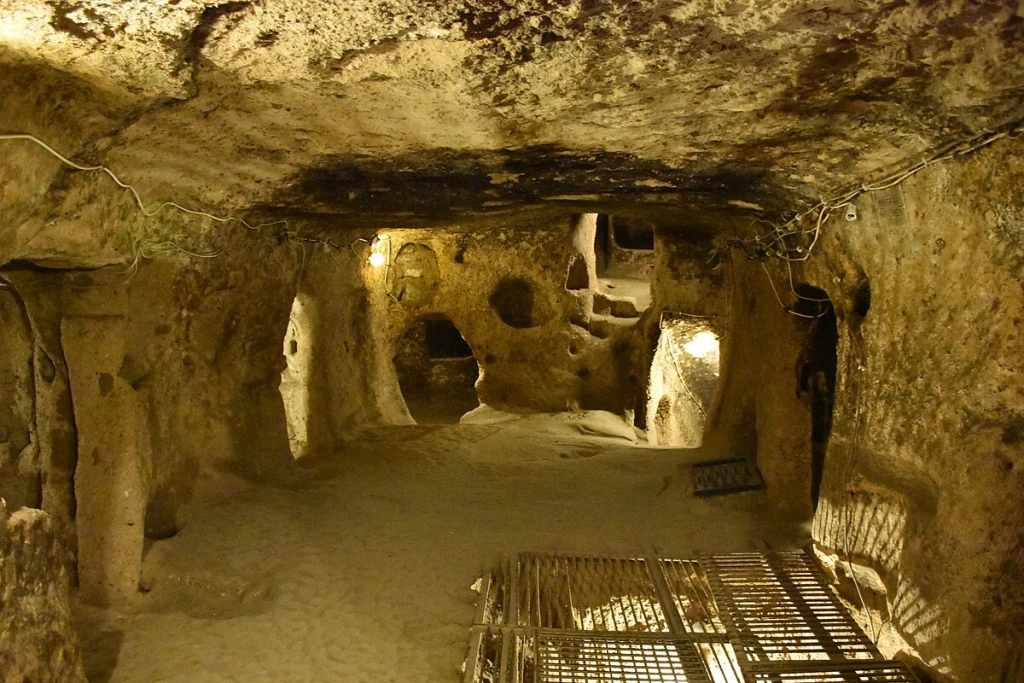
Cappadocia is famous for its fairy chimneys, cave churches, and surreal landscapes—but beneath this extraordinary region lies an even more fascinating secret: underground cities carved deep into the volcanic rock. These underground cities, some reaching up to eight levels below ground, remained hidden for centuries. So how were they discovered, and why were they built?
The discovery of Cappadocia’s underground cities was not the result of a planned archaeological expedition. Instead, it happened by accident.
In 1963, a local resident in the town of Derinkuyu was renovating his house when he knocked down a wall in his basement. Behind it, he found a mysterious room—and then another, and another. What initially looked like a small hidden chamber turned out to be part of a vast underground network. This accidental finding led archaeologists to uncover Derinkuyu Underground City, the largest known underground city in Cappadocia.
Ancient Origins of the Underground Cities
Archaeological research suggests that the first underground structures in Cappadocia date back to the Hittite period (around 1600–1200 BC). However, the cities were significantly expanded during the Byzantine era, especially between the 5th and 10th centuries.
The region’s soft volcanic rock, known as tuff, made it possible for ancient inhabitants to carve deep spaces using simple tools. Over time, these spaces evolved into complex underground cities designed for long-term living.
Why Were the Underground Cities Built?
The primary reason for building underground cities was protection.
Cappadocia was located on important trade and invasion routes, making it vulnerable to frequent attacks. Underground cities served as safe havens during times of danger, protecting residents from invading armies.
These cities were incredibly well planned and included:
- Living quarters
- Kitchens and storage rooms
- Ventilation shafts
- Wells for fresh water
- Churches and chapels
- Massive stone doors used to seal entrances
Some underground cities could shelter thousands of people for weeks or even months.
Expanding Discoveries Across Cappadocia
After the discovery of Derinkuyu, archaeologists and researchers began exploring the region more systematically. This led to the discovery of over 200 underground cities across Cappadocia, though only a few are open to visitors today.
The most famous ones include:
- Derinkuyu Underground City – the deepest and largest
- Kaymaklı Underground City – known for its wide tunnels and living areas
- Özkonak Underground City – featuring unique communication holes and traps
Many of these underground cities are connected by long tunnels, suggesting a vast defensive network beneath Cappadocia.
From Hidden Shelters to Tourist Attractions
For centuries, the underground cities were known only to local inhabitants and passed down through oral history. Today, they are among Cappadocia’s most visited attractions, drawing travelers from all over the world.
Modern lighting, walkways, and safety measures now allow visitors to explore these ancient cities while preserving their historical integrity. Guided tours help explain how people lived, cooked, worshipped, and survived underground.
A Testament to Human Ingenuity
The discovery of Cappadocia’s underground cities revealed not only hidden spaces but also the remarkable intelligence and adaptability of ancient civilizations. These cities stand as powerful reminders of how humans have always found creative ways to survive in challenging environments.
Exploring them today offers a unique journey into the past—one that quite literally takes you beneath the surface of history.